1. From small commodity market to international sourcing system
Yiwu Commodity City is best understood as an evolving wholesale ecosystem. Early Yiwu trade was built around dense small-commodity stalls and fast product turnover. As export demand grew, the market expanded into larger specialized zones with clearer product grouping, better logistics support, foreign trade services and more professional supplier showrooms.
For importers, this development matters because each zone has a different sourcing logic. A toy buyer, a hardware importer, a cosmetics seller and a home textile wholesaler should not start in the same place. Efficient sourcing begins by matching your product list to the correct zone, floor and booth group.
2. Yiwu Commodity City zones at a glance
| Zone / District | Main development role | Common product categories | Buyer tip |
|---|---|---|---|
| Zone 1 | Early modern trade mart phase and high-density small commodity display. | Toys, artificial flowers, jewelry, hair accessories, crafts, decorative items and festival goods. | Good for first-time buyers who want to compare many lightweight retail products quickly. |
| Zone 2 | Expansion into more functional and hardware-driven product lines. | Bags, luggage, umbrellas, rainwear, hardware tools, locks, electrical products, small appliances and clocks. | Check materials, load capacity, electrical specs and carton strength before confirming price. |
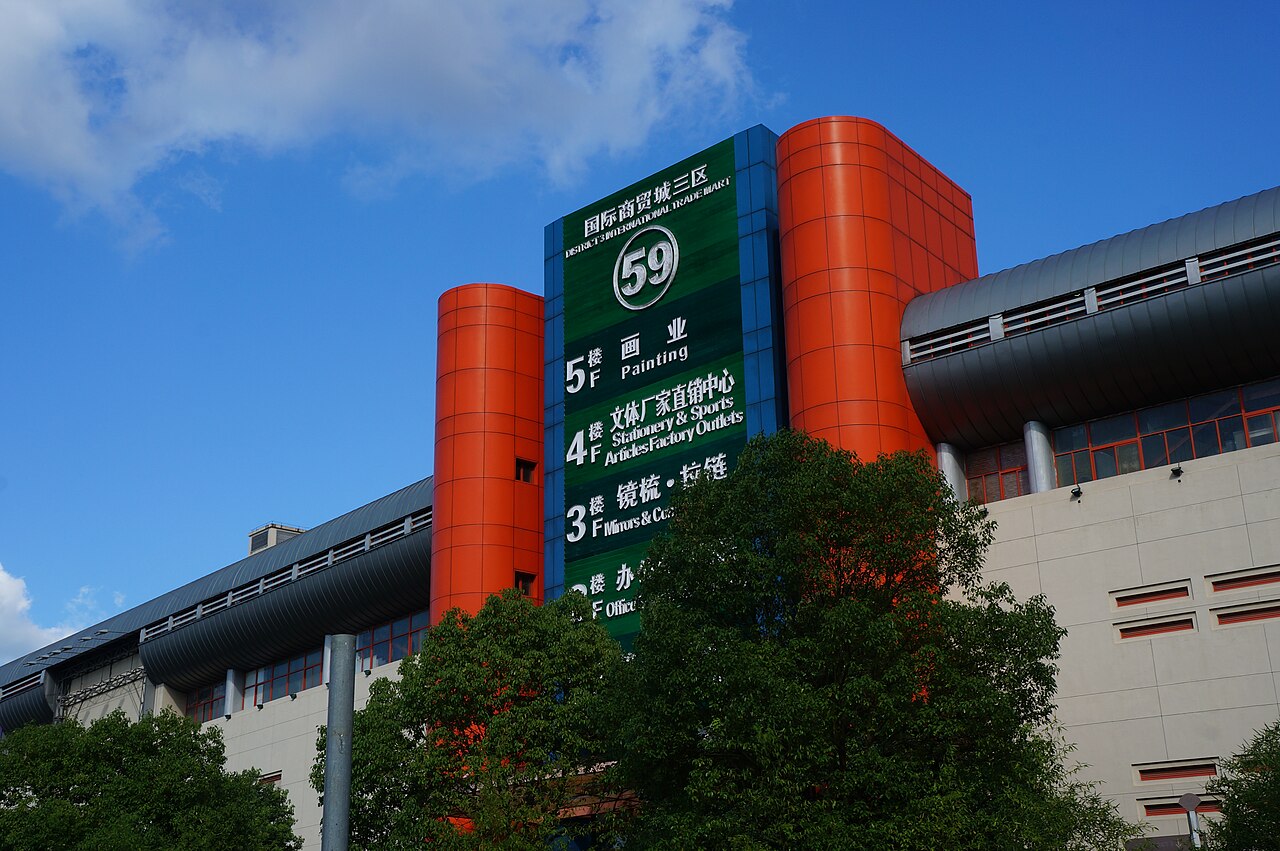
| Zone 3 | Specialized categories with more detail-sensitive specifications. | Stationery, office supplies, sports goods, cosmetics, eyewear, zippers, buttons and garment accessories. | Bring exact samples or reference photos because small differences change price and quality. |
| Zone 4 | Scale-up for daily consumer goods, textiles and fashion supply categories. | Socks, gloves, hats, daily necessities, shoes, lace, ties, wool, towels, underwear, belts and scarves. | Confirm color cards, size ranges, packaging, mixed-size ratios and repeat-order consistency. |
| Zone 5 | More specialized import/export support and category extension. | Imported goods, bedding, textiles, knitting raw materials, curtain fabric, auto supplies and accessories. | Useful for buyers comparing bedding, auto accessories and textile-related supplier groups. |
| Zone 6 | Emerging buyer-facing term for newer expansion, digital trade, services and supplier showroom areas. | New product lines, digital trade support, buyer services, showrooms and market extension functions. | Confirm the exact address, booth, floor and market name before visiting because usage varies by source. |
3. What the zone-by-zone development changed for buyers
The biggest change is not only market size. The real advantage is category concentration. When suppliers selling similar goods are grouped together, buyers can compare price, material, packaging, MOQ, lead time and export readiness in a shorter time. This is why Yiwu remains useful for low-MOQ testing and mixed-SKU buying even when online platforms are available.
Zone development also changed the role of sourcing agents. Years ago, buyers mainly needed translation and booth navigation. Today they need product comparison, supplier verification, sample collection, QC photos, carton consolidation, FBA prep and export shipping coordination. The market is larger, but the buyer's main problem is still control.
4. Important note about Zone 6
Public official-style market information commonly describes Yiwu International Trade City by Districts 1 to 5. In newer buyer-facing content, Zone 6 is often used to describe expansion areas, digital-trade facilities, buyer service functions or newer supplier showrooms. Because terminology can vary, buyers should not plan a trip only from a general phrase like "Zone 6." Always confirm the exact market name, building, gate, floor and booth number before arrival.
For online buyers, the practical meaning is simple: do not rely only on a district label. Send your product list first, then let a local team match each SKU to the right market area, online supplier option or nearby factory cluster.
5. A practical sourcing route for overseas buyers
A productive Yiwu sourcing plan starts with product grouping. Put toys and party items together, separate hardware from home storage, separate cosmetics from packaging, and separate textile goods from electronics. Then decide which zone should be visited first and which suppliers can be checked online before the trip.
- Prepare a product list with target price, quantity, photos, size, material and destination country.
- Match each product group to the correct zone or supplier channel before walking the market.
- Compare at least three supplier options for important SKUs.
- Collect samples for products where material, color, smell, size or packaging matters.
- Use warehouse consolidation when buying from multiple zones or suppliers.
- Request QC photos and carton marks before balance payment and export shipping.
Need help planning a Yiwu market sourcing route?
Send YiwuBridge your product list, reference photos, target quantity and destination country. We can help match your products to the right Yiwu market zones, compare suppliers, collect samples, check quality and consolidate shipments before export.
WhatsApp YiwuBridge Browse product categories